Advertisement



J. Williams (28'), T. Wright (53'), F. Daugunu (65')
Tries
J. Moorby (11', 42'), B. Barrett (16', 40'), P. Lakai (20'), R. Ioane (25'), W. Sititi (31')
R. Lonergan (29', 54'), D. Meredith (66')
Conversions
D. McKenzie (21', 32', 40+1', 43')
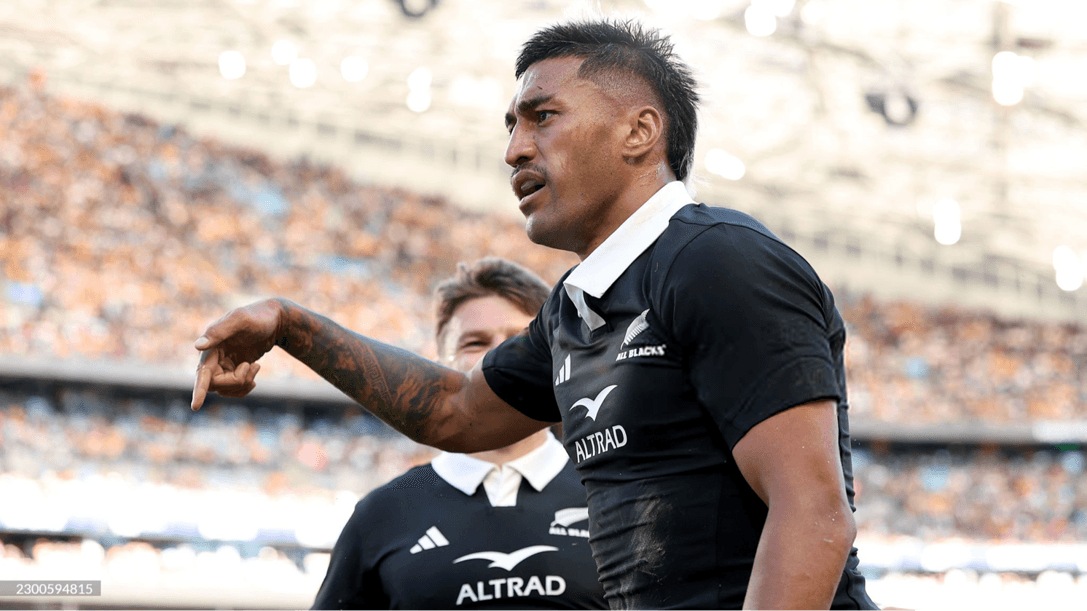
The All Blacks produced a devastating first-half performance to beat Australia 43–21 in Sydney, completing a Bledisloe Cup clean sweep and extending their winning streak over the Wallabies to 13 Tests. With the 2027 Rugby World Cup approaching, New Zealand look increasingly comfortable under Dave Rennie, while Les Kiss has some serious questions to answer after two comprehensive defeats.
A week after being dismantled at Eden Park, Australia returned home looking for a response. Instead, 73,399 supporters at Accor Stadium watched the All Blacks effectively put the contest to bed before half-time, running in six tries to establish a staggering 36–7 advantage. Coming into the Bledisloe series on the back of six unbeaten Tests, including a memorable victory over South Africa, there had been genuine optimism around Australia's progress under Les Kiss. Two weeks later, they've conceded 93 points against their biggest rivals, lost both Tests comfortably and been given a rather uncomfortable reminder of the gap that still exists between showing improvement and consistently competing with the world's best.
The frustrating thing for Australia is that they actually started with some promising attacking rugby. Max Jorgensen and Fraser McReight found space early, while the Wallabies put together a 14-phase attack deep inside New Zealand territory. But where the hosts repeatedly failed to capitalise, the All Blacks were ruthless. Peter Lakai's crucial turnover ended that early Australian assault, and New Zealand immediately worked their way downfield before Josh Moorby finished an excellent attacking sequence. A wasted five-metre lineout offered another opportunity for Australia to build pressure, but once again the chance disappeared. Damian McKenzie began pulling the strings, Lakai repeatedly punched holes in the defensive line, and Beauden Barrett finished a brilliant attacking move to extend the lead. Three minutes later Lakai had a try of his own, before Rieko Ioane added another as the visitors raced into a 22–0 advantage inside the opening 26 minutes. Australia weren't necessarily short of attacking opportunities; they were short of the accuracy needed to do anything meaningful with them. New Zealand, meanwhile, repeatedly punished Australia’s mistakes with clinical finishing.
The difference in speed and physicality was particularly striking. Player of the Match Peter Lakai combined destructive carrying with an ability to disrupt Australian possession, while Wallace Sititi repeatedly won the collisions and provided the perfect platform for New Zealand's attack. McKenzie was superb at recognising space and moving the ball before the Wallabies could organise themselves, with Cam Roigard ensuring the tempo rarely dropped. The hosts simply couldn't reset quickly enough, and the All Blacks made them pay whenever defenders were isolated. Jeremy Williams briefly gave Australia something to celebrate after finishing a move created by Declan Meredith, but his subsequent yellow card for a cynical infringement handed New Zealand another opportunity. Sititi promptly scored from the back of a scrum, before Barrett intercepted a loose Australian pass and raced away for his second try. Suddenly it was 36–7 at half-time, and what had been billed as an opportunity for Australia to respond to Eden Park had turned into another thoroughly miserable afternoon. New Zealand weren't just winning the physical contests; they were making better decisions whenever the game opened up.
The second half at least gave the Australian crowd something to enjoy, although not before Moorby completed his double to stretch New Zealand's advantage to 43–7. With the contest effectively over, the Wallabies began playing with greater freedom and finally found some attacking rhythm. Meredith was particularly impressive in difficult circumstances, showing a willingness to attack the line and producing several excellent moments with ball in hand. Jorgensen continued to threaten out wide, while the introduction of Angus Bell and Carlo Tizzano brought greater energy and urgency. Tom Wright finished a well-worked try, before Filipo Daugunu completed a superb counterattack involving Wright and Meredith. The Wallabies even had an opportunity to add another when Meredith broke through, only for Roigard to produce a remarkable defensive intervention to prevent the grounding. Australia won the second half 14–7, and there were individual positives worth acknowledging. New Zealand eventually finished with 13 players after Samisoni Taukei’aho went off injured with their replacements exhausted and debutant Chay Fihaki was shown a yellow card. The Wallabies showed character, but the contest had been decided long before any comeback began.
For Les Kiss, the bigger concern is that the same weaknesses were exposed across both Tests. Australia have enough attacking talent to cause problems, particularly when Jorgensen, Wright and Meredith find opportunities to challenge defensive lines. What they haven't demonstrated is an ability to maintain accuracy and defensive organisation when elite opposition apply sustained pressure. Their inability to turn early territory into points was particularly costly, while missed tackles and slow defensive recovery allowed New Zealand to attack almost at will. Injuries and unavailable players haven't helped, with Len Ikitau, Ben Donaldson and others missing from the Sydney side, but personnel alone cannot explain the scale of these defeats. Meredith has certainly given Kiss something to think about at fly-half, although one encouraging individual performance shouldn't distract from the wider issues. Captain Harry Wilson described the series as very disappointing and said Australia needed to regroup. With a home World Cup approaching, Kiss will know that belief and attacking ambition count for little without the accuracy to back them up.
For New Zealand, the series has provided a welcome response to the criticism that followed their 3–1 defeat against South Africa. Rennie's side looked sharper, more decisive and increasingly comfortable playing the expansive rugby their coach wants to establish. Crucially, that attacking ambition was built on the hard work of their forwards, with Lakai and Sititi giving McKenzie and the backs the quick possession needed to expose Australia's defence. The All Blacks also demonstrated impressive adaptability, overcoming Jordie Barrett's late withdrawal and Quinn Tupaea's early concussion without losing their attacking rhythm. Rennie made it clear afterwards that he has no intention of abandoning this approach when the World Cup arrives. And why would he, given how effective it can look when everything clicks? There are still questions about consistency and whether New Zealand can reproduce this level against the very best, particularly South Africa, but the last two performances have shown considerable progress. The All Blacks have rediscovered some of the authority and attacking confidence that had been questioned earlier in the year.
Perhaps the most uncomfortable detail for Australia is that these two sides will meet again at the same stadium in the pool stages of the 2027 Rugby World Cup. On 9 October next year, the Wallabies will face New Zealand in Sydney with considerably more at stake than the Bledisloe Cup. Nobody should be writing off a World Cup campaign twelve months in advance, and Australia's recent victory over the Springboks demonstrates there is genuine quality within this squad. But the past fortnight has exposed how much work remains. The upcoming European tour against England, Scotland and Wales now carries additional importance, offering Kiss an opportunity to rebuild confidence and address the problems New Zealand exploited so effectively. For Rennie, the task is maintaining the momentum and proving these performances represent lasting improvement rather than simply a particularly successful fortnight against Australia. The Bledisloe Cup stays in New Zealand for another year, and the All Blacks have extended their dominance over their closest rivals. For the Wallabies, the worrying part isn't simply that they've lost again. It's just how far away they've looked when New Zealand have been at their best.