Advertisement

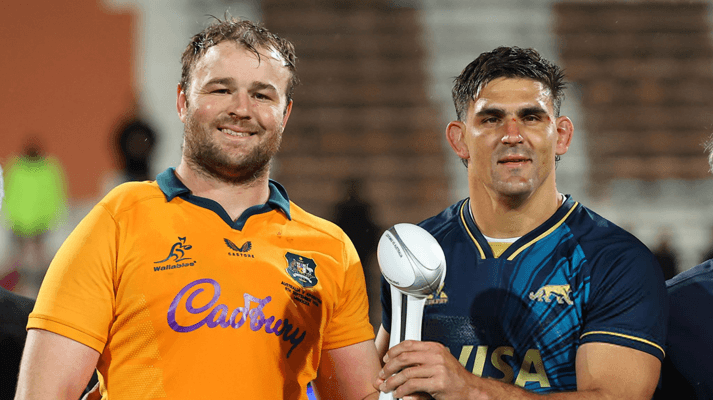


P. Matera (35', 63'), I. Mendy (38'), I. Ruiz (54')
Tries
H. Wilson (19'), M. Jorgensen (27'), F. McReight (46'), Penalty Try (69')
S. Carreras (35', 39', 54', 64')
Conversions
R. Lonergan (20', 28', 47')
This rematch said less about swagger and more about selection. With both coaches ringing the changes, the combinations that gave Australia a set-piece foothold in Jujuy were broken up, while Argentina rebalanced their pack and closed the gap up front. The result was an arm-wrestle heavy on collisions and cards, light on fluency. A week after Australia’s tight five called the tune, the tune changed.
The draw owed plenty to discipline and detail. Argentina carried endlessly and lived in the Wallaby half, but their control was offset by three yellow cards at bad times. Australia, starved of ball, were far sharper when they did get field position, yet lacked the late management to land the winner. Both sides will feel they left something out there. Both are right.
This all started at the selection table. Les Kiss stuck to his “two XVs” approach: Ben Donaldson was handed the 10 jersey, Len Ikitau and Joseph-Aukuso Suaalii were reunited in midfield, and Harry Wilson returned to lead the back row. Across the way, Felipe Contepomi shuffled his tight five and back row with a clear brief to fix Jujuy’s set-piece and contact issues. The change worked: Argentina’s scrum was solid, their lineout tidy and their forwards stayed in the fight for 80, which they didn’t manage seven days ago.
The game’s rhythm was set by cards as much as tactics. Australia jumped two scores ahead while Franco Molina cooled his heels, with Wilson punching over and Max Jorgensen finishing the next raid. Then Australia blinked: Jeremy Williams’ yellow handed Argentina the foothold they’d been missing, and the hosts cashed in either side of the break through close-range power and one strike to Ignacio Mendy. The flow didn’t come from patterns; it came from numbers on the field.
After the interval Australia briefly looked like they’d absorbed the lesson. Fraser McReight – a nuisance all series – picked his line to score and reassert a breakdown presence that had rattled Argentina in Jujuy. But Contepomi’s reset pack kept driving, Ignacio Ruiz muscled over, and Pablo Matera – fittingly, the tone-setter – added his second to push it to 28-21. That should have been decisive. It wasn’t, because Argentina undid themselves: Lucio Cinti and Santiago Carreras saw yellow in a three-minute spiral, Australia walked away with a penalty try, and the match locked at 28-28 with time to steal it.
Here’s why no one did. Australia’s rotation stripped a touch of late-game control from their kicking and exit game. Donaldson had a couple of sharp touches with ball in hand but was replaced on 55 by Carter Gordon as Kiss looked for extra thrust; the change brought ambition without the territorial squeeze to match it. Against 13 men, the Wallabies got the automatic seven and nothing else. When parity returned, Argentina’s refreshed pack and improved set-piece management absorbed what was left.
Individual battles told the same story. For Australia, Wilson was everywhere: a captain’s try, 23 tackles and hard carries when front-foot ball was rare. McReight was immense again, with 26 tackles and the timing to turn defence into points. Jorgensen took his chance cleanly and got through eight tackles on the edge. Inside, the Ikitau–Suaalii axis gave Australia organisation, but limited possession meant they were mostly problem-solvers, not problem-makers. Ryan Lonergan was tidy off the tee and stuck his eight tackles, but the kicking battle never quite tipped in gold.
Argentina’s standouts came from the same places their plan improved. Matera was the heartbeat – two tries, 16 carries, the carry intent that dragged them over the gain line when the phases were stuck. Ruiz delivered a hooker’s blueprint: 9 lineouts hit, 19 carries, a close-range finish. Rodrigo Isgro had moments of menace but coughed up ball too often; Mendy’s finish mattered. Carreras was flawless off the tee, which kept the board moving, but his yellow at 69 minutes – alongside Cinti’s – was costly in time and territory. Even so, that rebalanced tight five deserved credit for going 11/11 at scrum time and for the heavier share of collisions throughout.
The numbers back up the feel. Argentina owned 66% of the ball and racked up 146 carries to Australia’s 86; the Wallabies were forced into 233 tackles. Yet clean breaks were 4-0 in Australia’s favour, a neat shorthand for where sharpness lived. Penalties were close enough, but the card tally – three to one – framed the scoreboard swings. At set piece, Argentina’s 100% scrum and edge at lineout accuracy showed Contepomi’s tweaks landed; Australia’s pack, so authoritative in Jujuy, found less purchase here.
So what does a draw actually say? For Australia, the rotation project is real and it’s working to build depth – Wilson back with McReight and Valetini looked like a proper Test back row again, and the Ikitau–Suaalii partnership calmed the line. But there’s a trade-off: cohesion wobbled when the finishers arrived, and with a chance to close it out, they didn’t manage territory or tempo well enough. The away sweep is gone; the unbeaten tour and a tonne of selection data remain.
For Argentina, this was the response Jujuy demanded. The selection reset up front narrowed the gap at scrum and contact, and their phase discipline with ball showed composure. The nagging issue is game management under pressure: the card cluster turned a winning position into a share. If Contepomi keeps this pack balance and cleans up those lapses, the platform is there. The lesson is simple for both: selection can fix problems, but only discipline and control finish Tests.