Advertisement



R. Ito (11'), F. Makisi (33'), K. Ueda (44'), W. Dearns (77')
Tries
H. Potter (14'), T. Wright (25'), M. Jorgensen (41'), F. McReight (48'), T. Tupou (69')
T. Matsunaga (12', 34', 78')
Conversions
R. Lonergan (15', 26', 42', 49'), B. Donaldson (70')
T. Matsunaga (52', 58')
Penalties
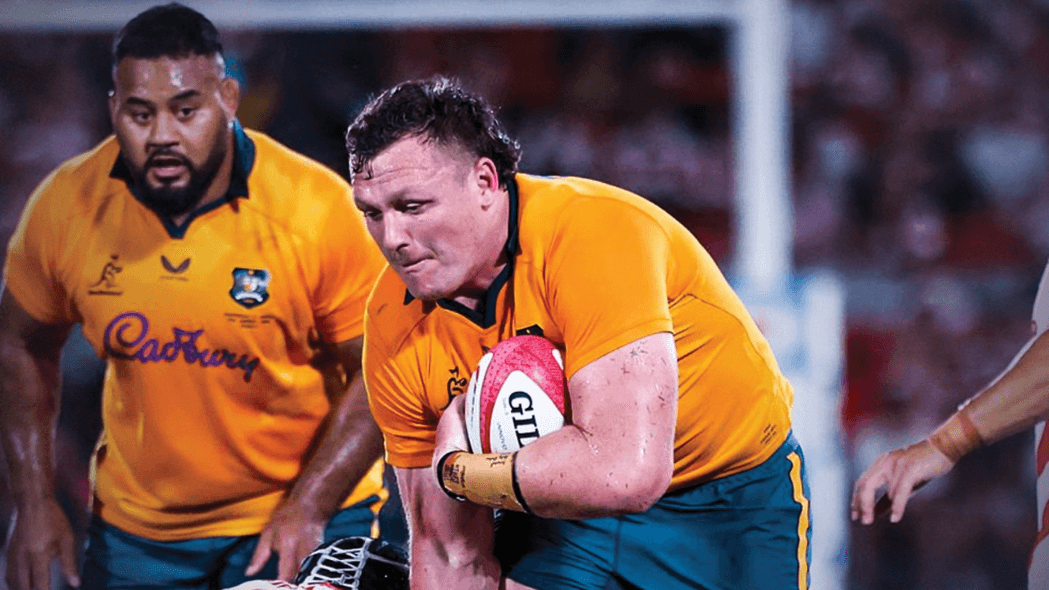
Australia escaped Hanazono with a 35–32 victory over Japan, but Les Kiss’s first match in charge offered as many questions as congratulations. The Wallabies scored five tries and showed considerable resilience after losing lock Miles Amatosero to a 20-minute red card, yet they required one final defensive stand to deny a Japan side that was still attacking after the clock had turned red.
The most compelling performance came from Ryunosuke Ito. Japan’s 21-year-old fly-half is still playing university rugby for Meiji and has yet to appear for a professional club, but little about his display suggested inexperience. His early try came from an instinctive recognition of space, followed by the acceleration to exploit it. More important was his composure thereafter. Ito remained willing to play square to the defence, brought runners into the game and repeatedly asked questions of Australia’s spacing.
Japan enjoyed 53 per cent of possession and carried 137 times to Australia’s 105. Ito gave that possession purpose, while Naoto Saito provided speed from scrum-half. The home side were not simply waiting for Australian errors; they were moving the Wallabies around and creating opportunities of their own.
Australia’s response was built partly through the midfield work of Hunter Paisami. His defence had real bite, with several Japanese carriers stopped abruptly before they could generate momentum. He was equally valuable with the ball, carrying directly and recognising when to shift the point of attack. His collection of a loose pass and subsequent involvement in the build-up created the opening from which Harry Potter cut back inside to score Australia’s first try.
Potter’s performance strengthened his argument that the left-wing jersey should remain his. He was alert enough to leave his touchline when the opportunity presented itself, found work away from the ball and breached Japan’s defence more than once before being replaced during the second half. With competition for places likely to intensify, this was the sort of efficient, involved display that selectors remember.
The match changed when Amatosero’s yellow card for a dangerous cleanout on Warner Dearns was upgraded to red. Australia might have lost their shape at that point, particularly in the heat and against a Japanese side playing at pace. Instead, they scored twice while reduced to 14 men. Tries from Max Jorgensen and Fraser McReight reflected the Wallabies’ ability to attack when the game became fractured, although the indiscipline that created the situation will trouble Kiss.
Dearns again led Japan with authority. He did not allow the red-card incident to distract him and continued to drag his side forward, both through his work in traffic and his demands on those around him. His close-range try late in the contest brought Japan within three points and captured the persistence of their performance. With the home side controlling 69 per cent of possession during the final 10 minutes, Australia were forced to defend the result rather than manage it comfortably.
The Wallabies’ bench proved significant. Angus Bell added force at loosehead, while Billy Pollard, Lukhan Salakaia-Loto, Charlie Cale and Tate McDermott helped Australia survive the most demanding period of the match. Taniela Tupou supplied the most obvious impact, scoring an important try before helping dislodge the ball during Japan’s last attack. Isaac Henry also became Wallaby number 999 when introduced.
Japan scored through Ito, Amato Fakatava Makisi, Kippei Ueda and Dearns, while Australia replied through Potter, Tom Wright, Jorgensen, McReight and Tupou. The sides had been locked at 14–14 at half-time, an accurate reflection of a contest Australia never truly controlled.
Captain Harry Wilson admitted the Wallabies had hurt themselves too often, while Kiss took satisfaction from their effort in difficult conditions. Both assessments were fair. Australia showed depth, defensive resolve and enough attacking quality to win, with Paisami and Potter making particularly persuasive selection cases. Japan, however, leave Hanazono with Ito’s emergence and Dearns’s leadership providing genuine encouragement. Before the second Test in Townsville, the Wallabies have a victory to build from—but also a clear warning about how quickly their discipline can turn control into survival.